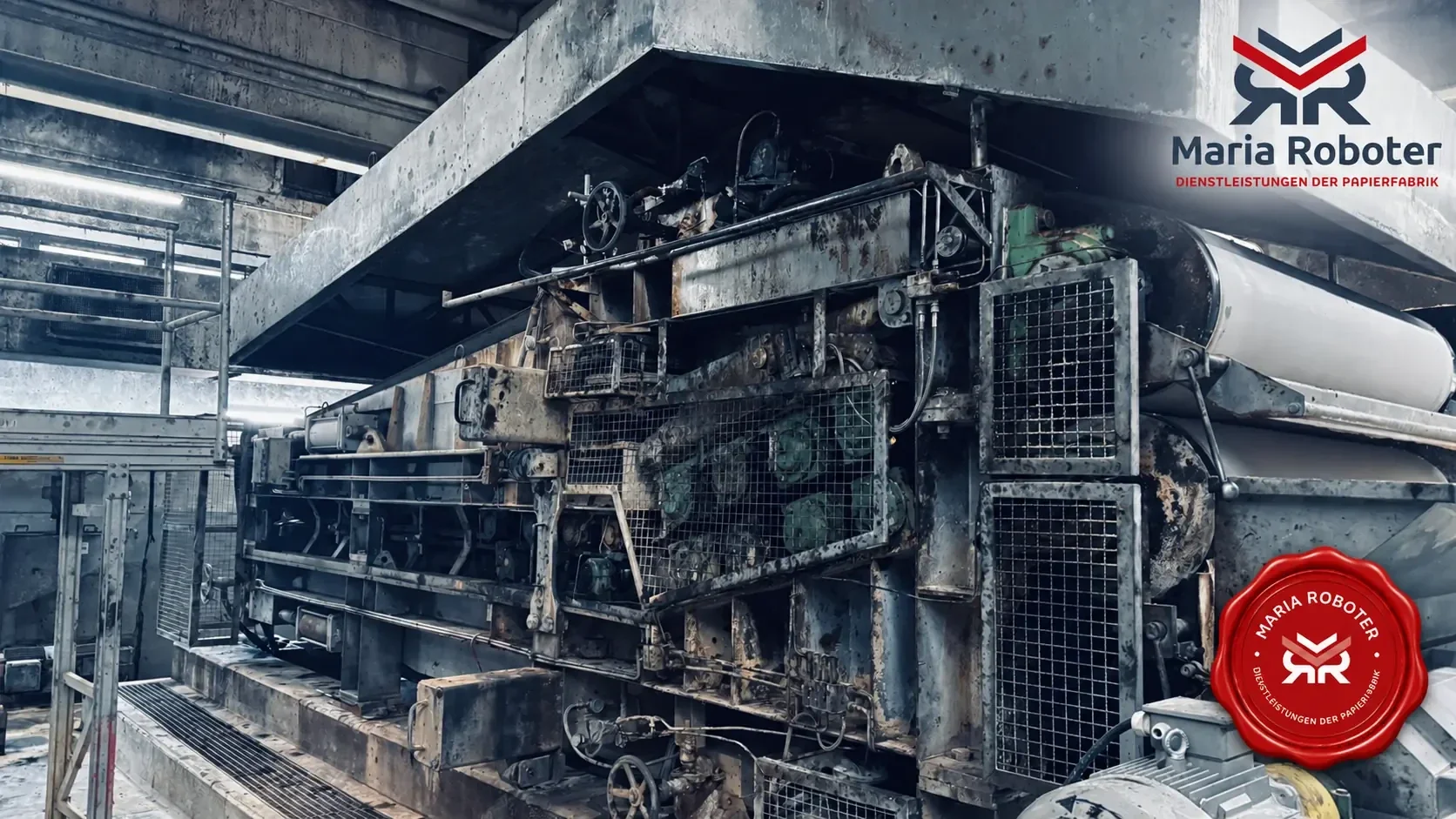
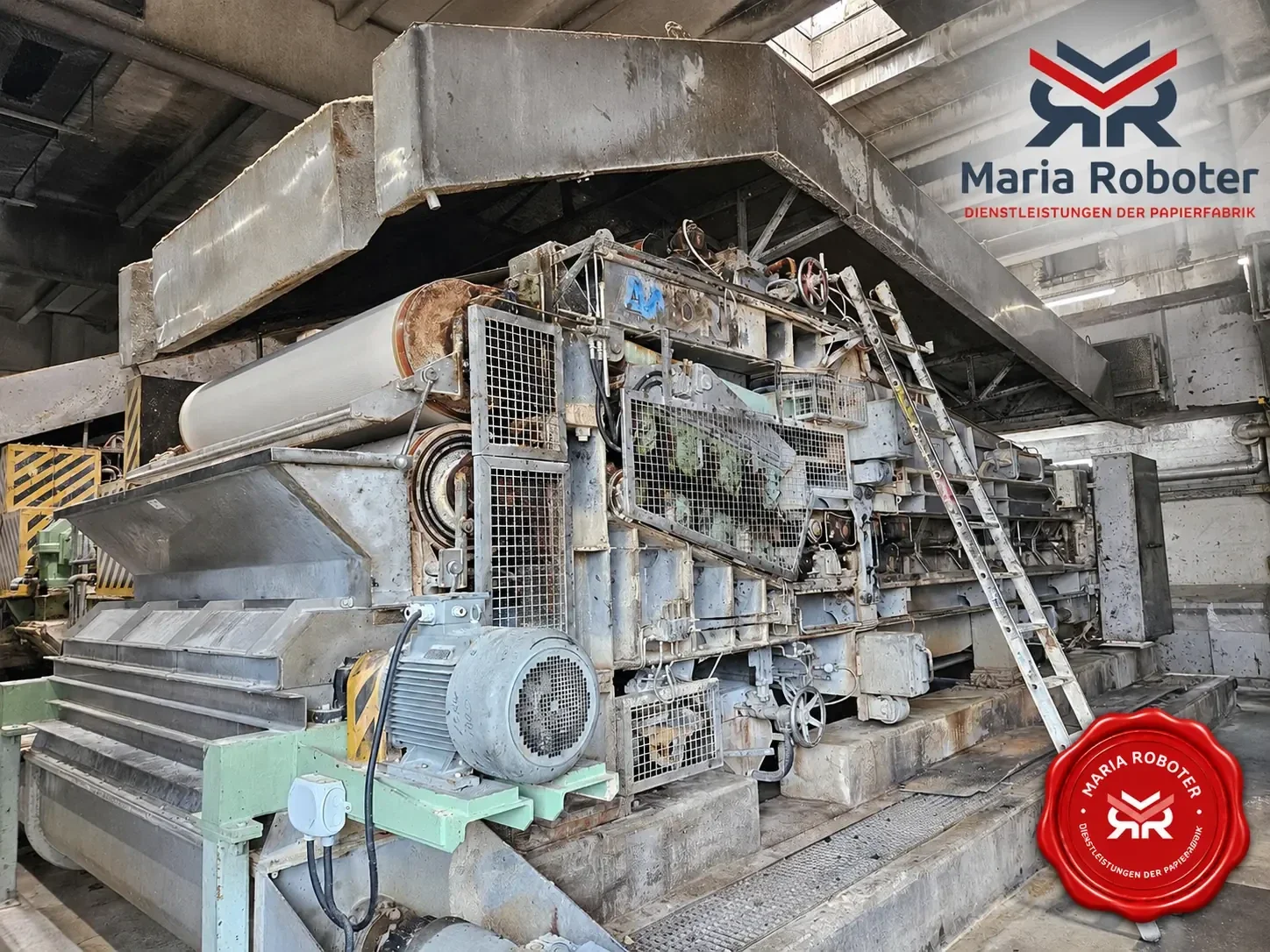
Used ANDRITZ Double-Wire Presses for Pulp Dewatering
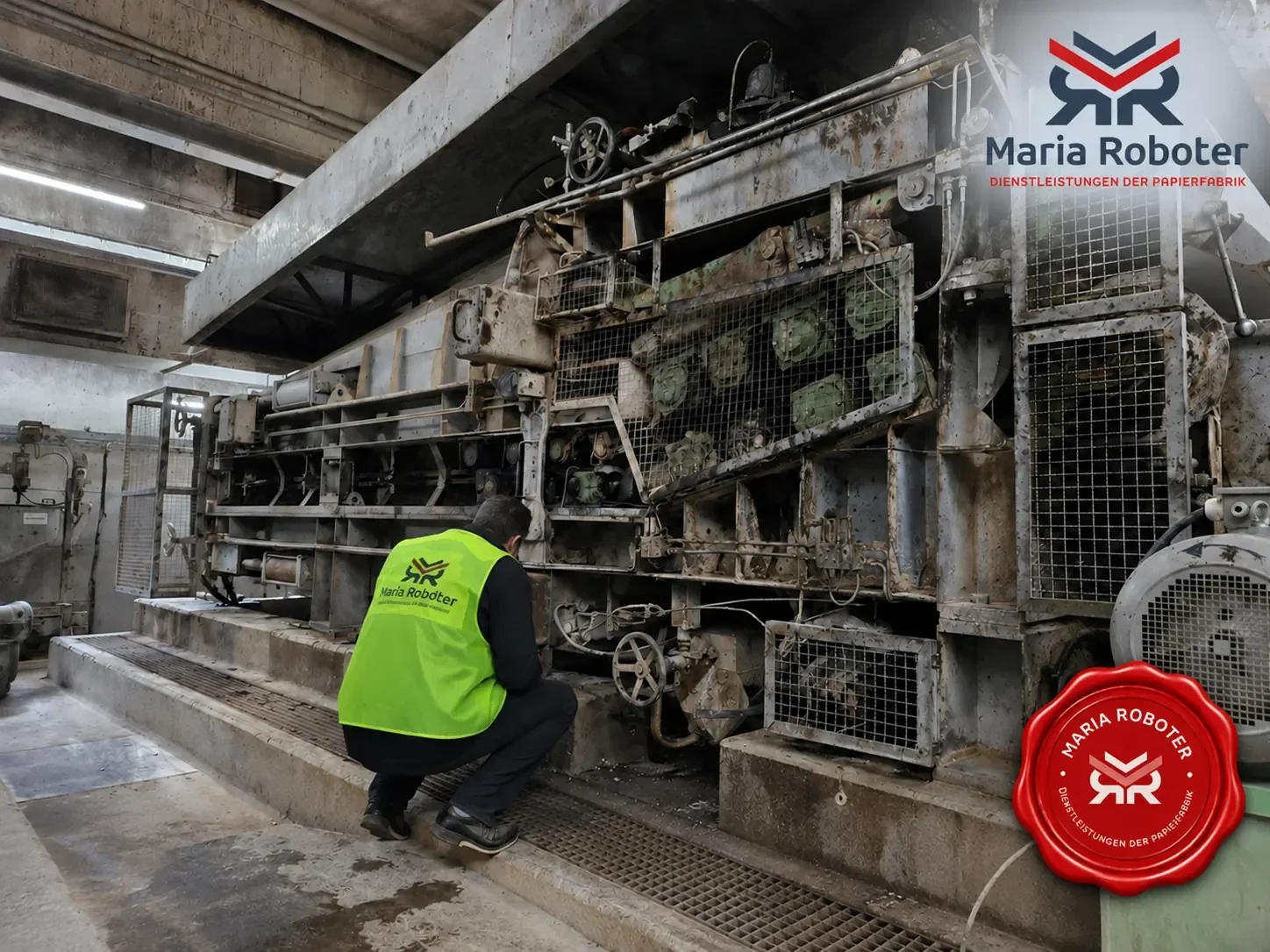
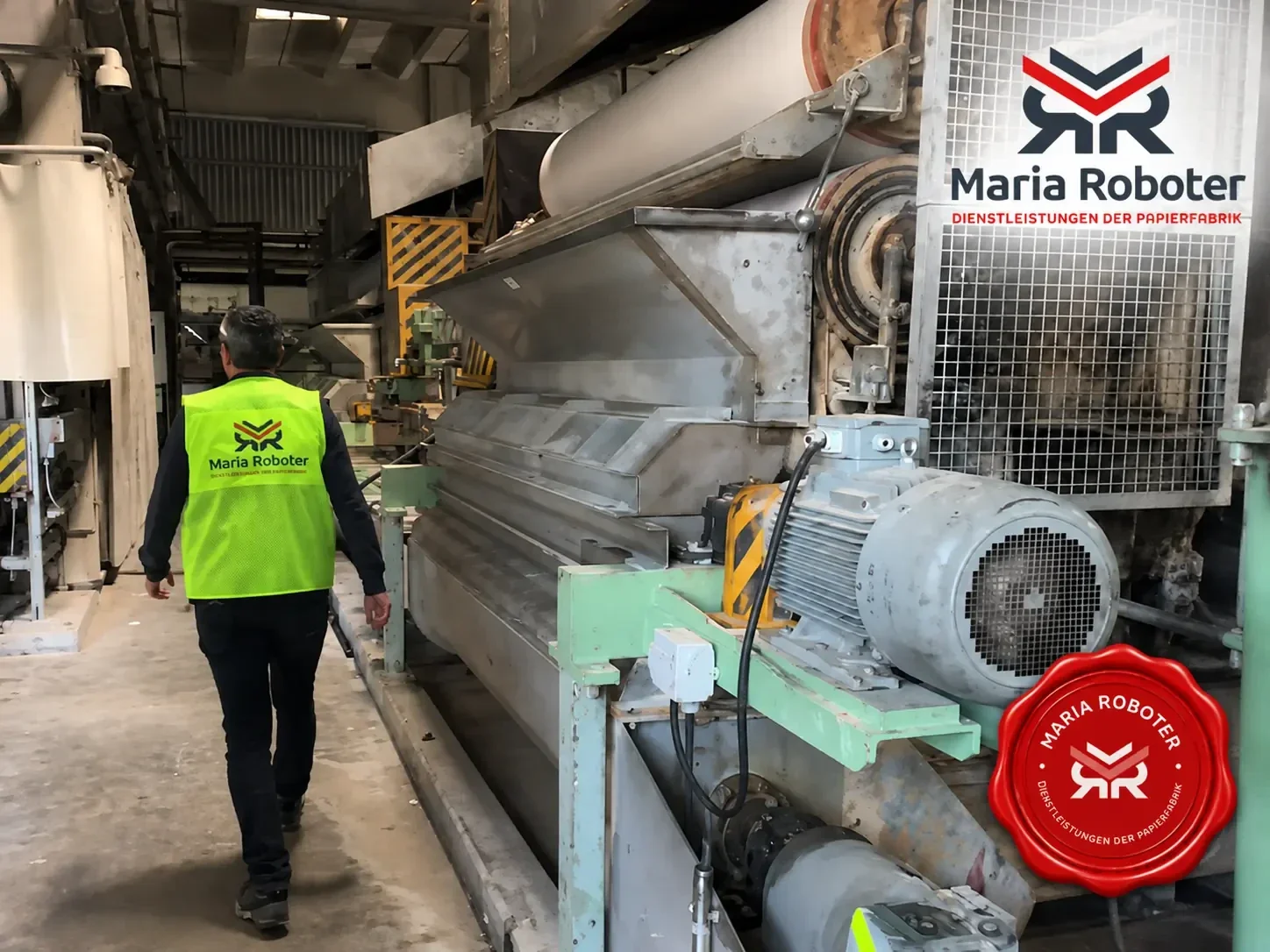
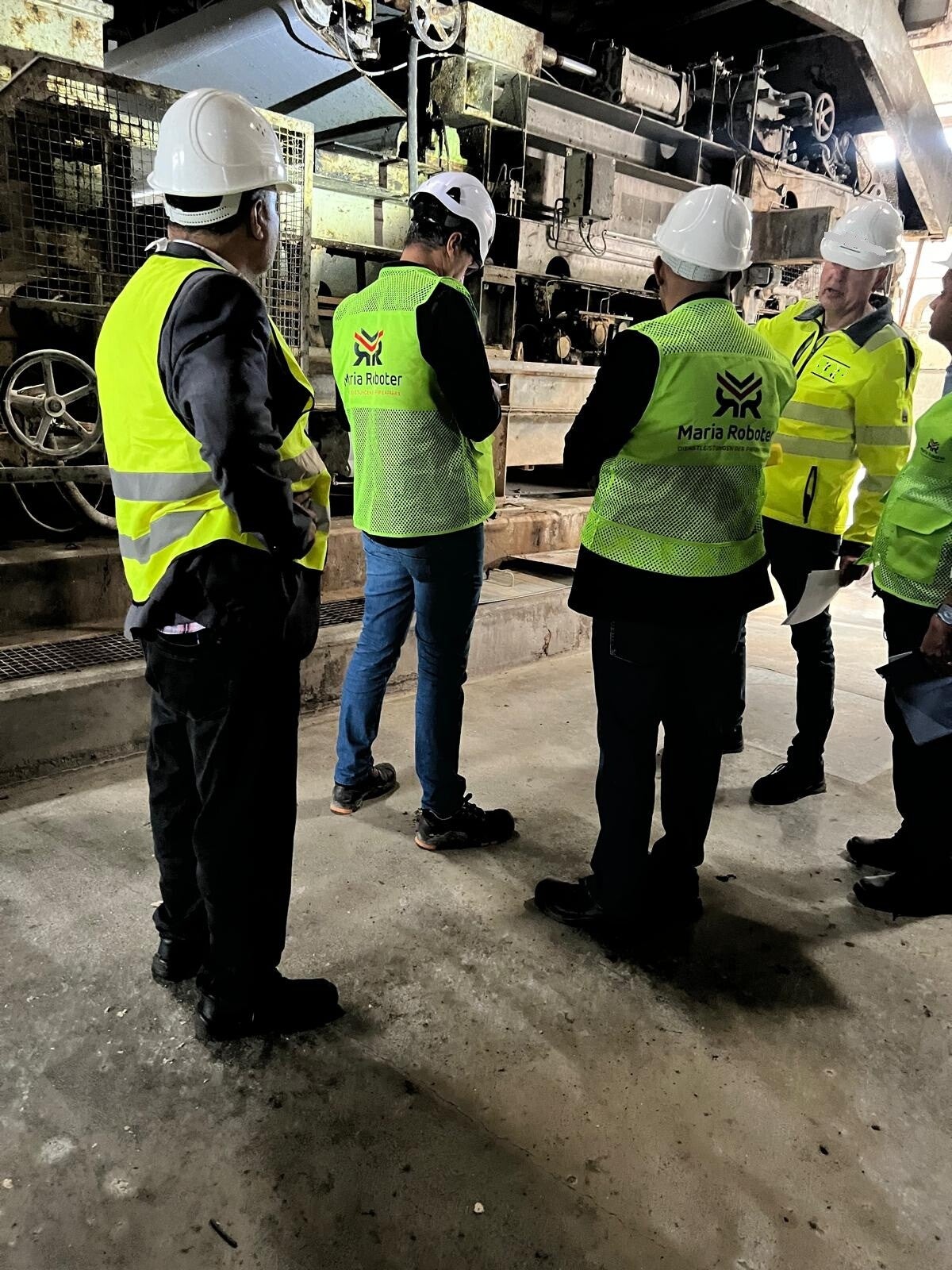
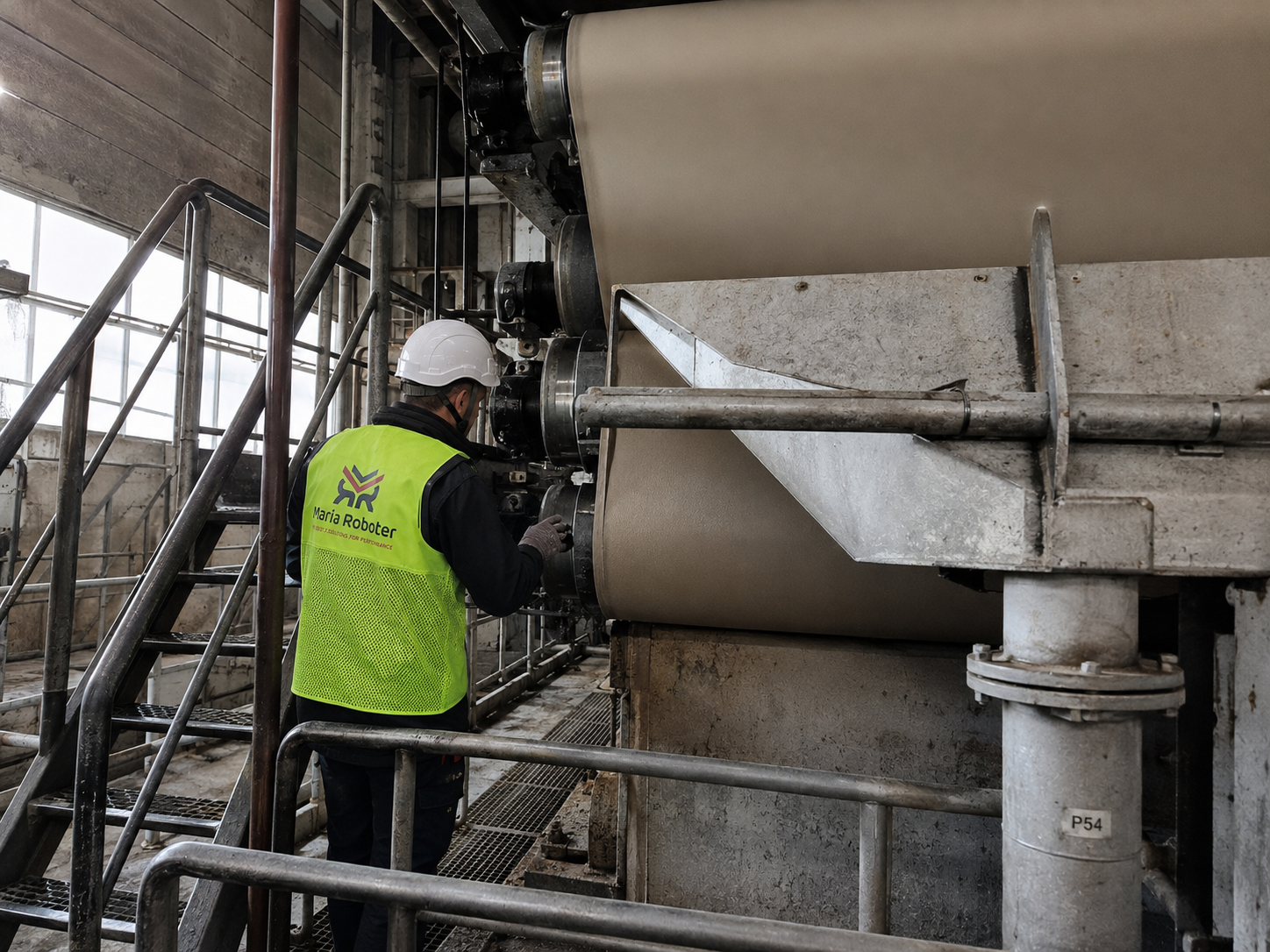
Available now. Three used ANDRITZ double-wire press systems are available in different size classes: DSP 2.0, DSP 2.8 and one large approximately 4,000 mm system. Maria Roboter inspected the installed equipment on site. Videos and available original technical records can be reviewed with qualified industrial buyers.
Fast technical fit check: send your material or process stage, approximate flow or dry tonnes/day, inlet consistency and required outlet consistency. Approximate values are sufficient for the first review.
Three available ANDRITZ size classes
ANDRITZ DSP 2.0 — MR-DSP-20
- Year: 1989
- Working width: 2,000 mm
- Wire width: 2,150 mm
- Discharge width: 1,870 mm
- Original design inlet: 4% consistency
ANDRITZ DSP 2.8 — MR-DSP-28
- Year: 1989
- Working width: 2,800 mm
- Wire width: 2,950 mm
- Discharge width: 2,750 mm
- Original design inlet: 10% consistency
- Documented dilution washing
Large ANDRITZ system
- Year: 1997
- Width class: approximately 4,000 mm
- Original duty: two-stage high-consistency peroxide bleaching
- Exact width and configuration remain subject to technical confirmation
Documented reference, not a performance guarantee: the original mechanical-pulp design references for DSP 2.0 and DSP 2.8 indicate approximately 34–35% outlet dry solids and 65–250 dry tonnes/day, depending on furnish and operating conditions. These values do not automatically transfer to the larger system or to a new process duty.
How much are you paying to move, heat or treat water?
A credible annual-saving figure must start with the mill mass balance. Value may come from lower electrical demand versus a comparable dewatering concept, less downstream evaporation, lower wet transport or disposal, reusable filtrate, or reduced fibre loss. Only benefits that occur in the buyer’s real process should be counted.
Illustrative electricity-saving scenario
InputIllustrative value Annual production150 t/day × 330 days = 49,500 t/year Reference difference10–20 kWh/t versus a comparable Fourdrinier in an ANDRITZ standard-dewatering reference Electricity€0.10–€0.15/kWh Illustrative range€49,500–€148,500 per year, before incremental drives, wires, wash water, maintenance and integration costs
Illustrative savings only. Final performance and ROI require a mill mass balance, pulp or sludge testing where applicable, confirmed equipment condition, utility prices and verification of achievable outlet consistency.
Water-removal calculation
Additional water removed per year = dry solids per year × (1 ÷ current dry fraction − 1 ÷ target dry fraction).
Net annual benefit is the verified energy, steam, water, fibre and transport or disposal saving minus incremental electricity, wear parts, wash water, chemicals, labour and maintenance. Disposal and thermal savings must not be counted together unless the mill actually pays both costs.
Inspection videos
- Watch the installed large approximately 4,000 mm ANDRITZ system
- Watch the DSP 2.0 and DSP 2.8 inspection video
Which applications should be evaluated?
- Mechanical-pulp and high-consistency bleaching lines
- Recovered-fibre tissue stock preparation requiring thickening or washing
- Recycled Testliner and Fluting lines before a disperser or water-loop separation
- Wet-lap pulp handling before storage or transport
Converting-only plants are not the target. Sludge applications require separate sample testing and configuration review.
Buyer questions
How much can a paper mill save annually?
There is no credible fixed figure without a mass balance. In the specific comparison with a similar Fourdrinier, ANDRITZ cites a potential 10–20 kWh/t reduction. Other savings depend on whether the mill actually pays to evaporate, transport, dispose of or treat the removed water and solids.
Which press is the best fit?
Selection depends on material, dry-tonne throughput, inlet consistency, required outlet consistency, furnish quality and integration limits. Width alone is not sufficient.
Are the three systems identical?
No. DSP 2.0, DSP 2.8 and the large approximately 4,000 mm system have different size classes and original duties. The large system’s exact configuration requires technical confirmation.
Can the presses be used for paper-mill sludge?
Possibly, but not automatically. Sludge duty requires sample testing and configuration review. The original DSP references relate to mechanical-pulp service and must not be treated as sludge guarantees.
Can the equipment be inspected?
Inspection can be arranged for qualified industrial buyers, subject to confidentiality, current equipment status and site-access approval. Exact site details are shared after qualification.
Can Maria Roboter manage dismantling and delivery?
Yes. The agreed scope can include technical review, controlled dismantling, match-marking, seaworthy packing, loading, export documents, worldwide delivery, reinstallation and commissioning support.
Request the technical file, videos and an ROI screening
Use the enquiry form below and state which unit interests you. Please include the material or process stage, dry tonnes/day, inlet consistency and required outlet consistency. Our team will reply with the available technical file and next steps.